
Mastering the Nose: A Beginner’s Guide to Identifying Perfume Ingredients and Reviewing Fragrances

Becoming skilled at smelling and describing perfumes is both an art and a science. This guide will take you from basic concepts to advanced techniques, explaining how our sense of smell works, how perfumes are composed, and how expert reviewers dissect and communicate what they smell. You’ll learn practical training routines, resources, and tips used by perfumers and fragrance influencers. By the end, you’ll have a structured olfactory practice plan and the tools to discuss scents with confidence.
How Smell Works – The Science of the Nose
Our sense of smell begins with chemical molecules (odorants) floating in the air and entering the nasal cavity. These molecules bind to specialized olfactory receptors on sensory neurons at the back of the nose. Each odorant-receptor interaction is like a lock and key: a molecule fitting into a receptor triggers an electrical signal in the neuron. Humans have roughly 450 different receptor types (dogs have twice as many), and each receptor can be activated by many molecules, while each molecule can bind several receptors. This combinatorial coding lets us distinguish an enormous variety of smells – far more than the old estimate of 10,000 scents, with recent research suggesting humans can detect trillions of different odors.
Once triggered, the sensory neurons send signals to the olfactory bulb (just above the nasal cavity), which relays information deeper into the brain. Key brain regions engaged include the piriform cortex (identifies the odor) and the amygdala and hippocampus (emotion and memory centers). Unlike most senses, smell signals bypass the brain’s thalamus relay and go straight to these primitive areas, helping explain why scents so vividly trigger memories and feelings. For example, the aroma of baking cookies may instantly evoke childhood memories of Grandma’s kitchen. This “Proustian” effect comes from hardwired connections between scent-processing regions and those for emotion and memory.
In summary, our nose captures odor molecules via a large array of receptors. Each scent is recognized through complex patterns of receptor activation and brain processing. Understanding this helps explain why perfume ingredients can blend and linger in surprising ways, and why training our nose is possible – it’s like strengthening a muscle by repeated “sniff workouts.”
The Olfactory Pyramid – Notes and Fragrance Structure
Perfumes are carefully crafted mixtures of many ingredients that evolve over time on the skin. To describe this evolution, perfumers use the concept of an olfactory pyramid or “fragrance pyramid,” which divides a perfume into top (head), middle (heart), and base (dry-down) notes. This three-layer structure reflects the volatility (evaporation rate) of each ingredient: light, volatile notes on top; medium-volatility notes in the heart; and heavy, long-lasting notes at the base.
Top notes are the first impression – bright, fresh scents like citrus, green, or light fruits. They hit the nose immediately after application but also evaporate quickly, often within minutes. For example, a spray of fragrance might smell sharply of lemon or mint at first, but those sharp notes fade in roughly 10–30 minutes. Top notes set the initial mood and entice you to keep smelling; they are the “splash of colour” that opens the composition.
After the top notes fade, the heart (middle) notes emerge. These often include floral, spice, or herbal scents that form the core character of the perfume. Heart notes tend to be more mellow and longer-lasting, typically noticeable from about 15–20 minutes after spritz and enduring for several hours. Think of the heart notes as the body of the fragrance – the rich aroma (like jasmine, rose, or cinnamon) that carries the identity of the scent once the initial zing is gone.

The base notes appear last and define the lasting impression. These are deep, heavy notes – woods, resins, musks, vanilla, or amber – that evaporate slowly. In fact, base notes can linger on clothes and skin for hours or days after application. They provide warmth, depth, and “glue” to make the lighter notes stick around longer. For instance, a fragrance might finish with the comfort of sandalwood or the sensual sweetness of vanilla. Perfumer Jean Carles formalized this pyramid idea by ranking raw materials from the least to the most tenacious, ensuring a perfume unfolds gracefully over time rather than all at once.
Identifying Notes by Time and Character
An easy way to recognize the pyramid in practice is to smell a perfume at intervals. Right after spraying, note the bright burst (top notes). After 20–30 minutes, check again: you’ll pick up the deeper middle notes emerging. Finally, revisit hours later to sense the base notes. Experts often use scent strips or blotter cards to isolate the fragrance from skin chemistry and mark the time of each sniff.
For example, a reviewer might spray a new cologne and immediately detect grapefruit and basil (top notes) which quickly fade. As the scent settles (~30 min), lavender and jasmine blossom out (heart notes), and hours later a soft cedarwood-musk base remains. Over time these layers blend, but recognizing each note’s window helps you articulate the perfume’s full story.
Perfume “notes” are also grouped into olfactive families (floral, citrus, woody, oriental, etc.), but focusing on the pyramid reminds us that a fragrance is like a play in three acts. By practicing, you will learn to pick out individual ingredients (like vetiver, bergamot, amber) and see how they contribute in each stage.
Sniffing Like a Pro – How Perfumers and Reviewers Analyze Scents
Experts approach perfume tasting methodically. The first step is preparation: ensure your nose is fresh (avoid strong smells beforehand, take breaks between samples) and your environment is neutral (no distracting noises or perfumes). As one perfumer’s guide advises, “Evaluating a perfume is not easy… you should ideally repeat it several times” in a quiet space. Rushing or smelling multiple scents too close together leads to olfactory fatigue, blurring distinctions. After one fragrance, step away or sniff something neutral (like coffee beans or your elbow) to “reset” your nose before the next sample.
When sampling, many experts use blotter strips or paper fragrance testing strips. A light spray on a strip lets you sniff repeatedly without smell-altering body chemistry. How to sniff: inhale lightly from a short distance first to catch an overall impression (top notes), then a gentle closer sniff to probe subtleties. Close your eyes to focus on the scent, not the bottle. Perfumer Olga Polge describes sniffing with eyes closed as a way to sharpen the sense.
A common pattern is to identify the olfactive category or concept (floral, oriental, etc.), then dominant ingredients. For example, does the perfume smell warm and spicy (oriental), clean and herbal, richly floral, or woody? Next, experts pick out standout notes: “I detect cardamom, then rose in the heart, and a vanilla-sandalwood base” for instance. They also note the accord – the overall blended impression or theme (e.g. “fresh amber”, “fruity gourmand”, “leather chypre”). This accord is the “backbone” of the scent.
Importantly, reviewers track the scent over time. Immediately after spraying (0–5 minutes) gives you the sharpest top notes. Then smell again at 15–30 minutes to capture mid notes, and finally hours later for the drydown. Writing down observations at each stage (or using voice notes) helps avoid forgetting details. Noticing changes is key: perhaps the fragrance “opens” citrusy but settles into sweet woods. Describing this evolution is what sets a review apart.

Expert reviewers also use comparisons and analogies. If a note is familiar, they might say “like a fresh cut lemongrass” or “reminiscent of vanilla ice cream”. Perfume journalist Mathieu Nardin advises linking smells to personal emotions or memories to aid recall. For example, one might note, “The vanilla base is warm and comforting like a grandmother’s baking.” Such imagery makes a review vivid. Influencers often describe scents through mood or lifestyle metaphors; TikTok reviewers, for instance, might call a scent “the olfactory version of a clean, casual summer day” or “feels like you’re wrapped in a cashmere blanket”.
However, balance is important. Relying solely on poetic phrases can be vague; ground descriptions with concrete terms (e.g. lemon zest, cedarwood, honeysuckle) alongside the emotive language. Perfumers recommend stating at least the main ingredients or note families you identify. As Pairfum advises, use a “perfume language” that’s as objective as possible by noting exact smells. Over time you’ll build a personal “library of scents” (as perfumer Alberto Morillas calls it), allowing you to recognize and name more ingredients by memory.
Training Your Nose – Exercises and Routines
Like any sense, smell improves with practice. Perfumers, like athletes, train daily. Here are proven methods and exercises:
-
Smell everything. Be olfactively curious: take note of everyday aromas around you – your morning coffee, spices in the kitchen, fresh linen, the air after rain. Actively pause and sniff: as Christine Nagel advises, “smell everything you can, everywhere, every day”. This builds general awareness. You can even do this on walks or chores: pick up objects (leaves, fruits, soaps) and try to identify them blindfolded.
-
The Guessing Game (Blind Testing). Have a friend or family member put a drop of a common scent (like mint, vanilla, or lavender) on a cotton ball or scent strip, without telling you what it is. Then, with eyes closed, sniff and guess the ingredient. This classic exercise hones recognition under pressure. It mimics how perfumers test unknown materials. A variant is the bon parfum “blind tasting” exercise: close your eyes when eating food to focus on smell and identify the dish. Over time, create your own blind test kits with essential oils or spices.
-
Olfactory Visualization. Try to imagine a scent mentally. Bon Parfumeur suggests visualizing a known scenario (like hot chocolate brewing or a garden) and conjuring its smells in your mind. This strengthens your nose–brain connection by linking smells to images and words. Perfume schools use this technique to teach imagination of odors.
-
Smell Journaling. Keep a scent diary. Whenever you sniff something noteworthy – whether a new perfume, essential oil, or even the coffee maker – write down everything you notice: the specific notes, any emotion or memory it evokes, and how it changes over time. Noting whether it’s pleasant or sharp helps calibrate your preferences. Over weeks, you’ll start to notice patterns and recall past scents more clearly. As the Bon Parfumeur guide suggests, “come back and smell the sample several times to really soak it up” and record your associations. This repeated smelling and journaling is a pro tip from perfumers to “memorise these scents” by linking them to feelings.
-
Kit Training (Ingredient Familiarity). Invest in a basic perfumer’s kit or assemble one yourself. Kits like the Perfumers’ Apprentice “Master Perfumer Kit” include dozens of common fragrance materials (citrus oils, woods, aromatics, etc.). The Perfume Science Kit (a children’s kit by Thames & Kosmos) uses just 8 essential oils (Floral, Woody, Lemony, Musky, plus Orienta, Mentha, Mella, Tropica) and guides you to smell each on strips, note images, then test recall after breaks. The key is methodical exposure: label each strip, sniff one material at a time briefly, imagine a scene, then cover and retest your memory after a break. This “nose training” builds recognition of raw ingredients.
-
Daily Practice Routine (suggested). Each day, pick 2–3 items (foods, spices, flowers, scented candles, etc.) to study. Spend a minute deeply inhaling each, describing it out loud or in your journal. Try one challenging scent (e.g. clove or jasmine) to expand your range. End the session by sniffing a neutral item (coffee beans or cotton) to clear your palate. Over the week, include a blind test session (ask someone to label strips with mystery scents), and one “comparison day” where you smell two similar ingredients (e.g. eucalyptus vs. peppermint) side by side to learn subtle differences.
-
Weekly Practice Routine (suggested). Once a week, do a longer sniff session. For example, dedicate an hour: test a new perfume, making notes at 0, 20, and 60 minutes. Try blending two favorites (spray one then the other) and describe the hybrid. If you have a kit, create a mini-accord (mix drops of 1 top, 1 middle, 1 base oil in a blotter) and guess the ingredients. Revise your journal entries from earlier in the week to test your scent memory.
-
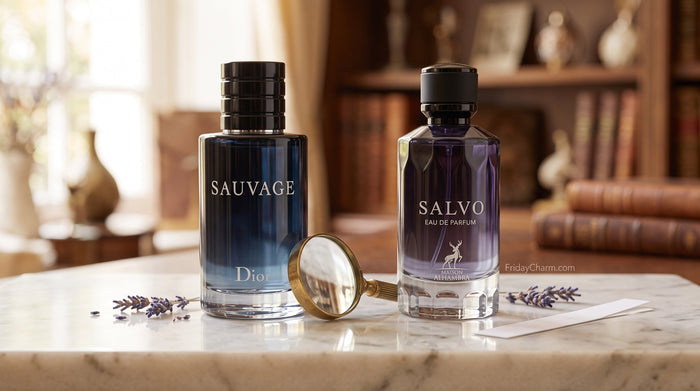
Long-term goal. Over months, aim to “build a scent library”. Acquire a variety of perfumes (split samples are affordable) or raw materials. The Perfume Society suggests starting with classic benchmark fragrances (like Chanel No.5, Dior Sauvage, etc.) to learn iconic accords. Join a fragrance community or forum to discuss what you smell; explaining scents to others further sharpens your ability.
Tools, Resources, and Inspirations
Essential Tools
-
Scent Strips and Jars: Fragrance blotters for testing perfumes or oils, and small containers or droppers for your own samples.
-
Standard Materials: Basic oils/essences (citronella, lavender, lemon, pine, jasmine, sandalwood, vanilla, etc.). Many companies sell starter kits (The Perfumer’s Apprentice, Eden Botanicals, Alpha Aromatics).
-
Journal/Notebook: To record notes, impressions, and comparisons.
-
Sniff-Reset Aids: A jar of ground coffee or unscented cotton can help “reset” your nose between tests.
Books and Courses
-
Perfume Texts: “Perfume: The Alchemy of Scent” (by Clara Molina, etc.), “The Secret of Scent” (Luca Turin), “Essentials of Perfumery” (R.J. Remington), and “Fragrances of the World” by Michael Edwards. These explain ingredients, industry insights, and fragrance families.
-
Olfactory Training Books: “Noses” by Jean-Claude Ellena or “For God, Country and the Thrill of Perfume” by C. Arnold (inspirational memoir).
-
Online Courses and Groups: Consider enrolling in a beginner perfumery course (many free/paid online). The Perfumer’s Apprentice and Scent Academy offer training kits and curricula. Fragrance forums (Basenotes, Fragrantica), Reddit’s r/fragrancecommunity, or Perfume Society blog articles are great for learning.
Perfumers and Influencers to Follow
-
Renowned Noses: Follow perfumers and evaluators like Francis Kurkdjian, Roja Dove, Christiane Nagel, Alberto Morillas. Many have interviews or talk about their favorite materials. Perfume house Instagram accounts often feature their creators.
-
Fragrance Blogs/YouTube: Independent reviewers like Jeremy Fragrance, Celestia on YouTube, or sites like NowSmellThis provide insights (take all opinions with a grain of salt, but note how they describe scents).
-
Social Media Trends: Explore tags like #PerfumeTok or #PerfumeReview on TikTok/Instagram to see creative descriptor styles (e.g. Funmi Monet’s storytelling approach). Remember to focus on the sense-details, not just the hype.
Raw Material Sources
-
Ingredient Suppliers: Eden Botanicals, Perfumer’s Apprentice, The Chemistry Store, and Alpha Aromatics sell natural and synthetic perfumery materials for hobbyists. You can experiment by buying small vials of individual notes (citral, isoamyl acetate, vetiver, etc.) and familiarizing yourself with their pure scent.
-
DIY Sets: Some companies offer “build-your-own fragrance” sets with several base ingredients. These can be fun for hands-on learning.
Speaking Scent: Describing Fragrances Effectively
As you practice, you’ll develop a vocabulary. Influencers and reviewers often paint a picture with words. For example, instead of just saying “it smells floral,” they might say “a burst of sunlit jasmine entwined with creamy coconut”. TikTok creators use lifestyle metaphors – “this is perfume as cozy cabin vibes” or “feels like a bright summer cocktail”. This emotional storytelling resonates with audiences.
However, to be both engaging and clear, combine imagery with specificity. Try a three-part structure in your description: (1) Opening impression (“It opens with…”), (2) Heart and evolution (“Then blooms into…”), (3) Dry-down and effect (“Finally settles on…”). Use descriptive adjectives from all senses: “sharp lemon”, “velvety rose”, “sparkling spice”, “earthy moss”. Analogies to familiar things can help: “like ripe pears in a light vanilla custard” or “reminiscent of old library books”. But avoid clichés like “it smells clean” – instead say what makes it feel clean (e.g. “airy linen” or “citrus-mint freshness”).
Perfumers also advise noting contradictions or surprises. Does a perfume have a “wolf in sheep’s clothing” effect? (“It feels innocent at first, but after 30 minutes a sultry musk emerges.”) Share any emotional reaction: Does it feel youthful, elegant, playful? As one expert noted, emotions tied to scent are personal but are the fuel of good smelling practice.
Finally, practice writing or speaking reviews aloud. Join online communities and compare notes with others. Over time you’ll find your unique “nose-print” as a reviewer.
Sample Practice Schedule
Here is an example routine combining the above elements:
-
Daily (10–15 min):
-
Pick three everyday items (coffee, spices, laundry detergent). Close your eyes and sniff each. Write one line description of each.
-
Do one blind sniff test: have a partner hand you a covered scent (e.g. an essential oil on cotton). Identify it and note guesses, then reveal and compare.
-
Journal: note any interesting new scent encountered (e.g. in a meal or garden) and what you smelled.
-
-
Weekly (1–2 hours):
-
Review a Perfume: choose one fragrance (even a sample you bought). Spritz on a strip. Sniff immediately (note top notes), again at ~30 min (heart notes), and at 2+ hours (dry-down). Write a mini-review: identify notes and your impression.
-
Kit or Ingredient Exploration: If you have a perfumer’s kit or essential oils, spend time with 2–3 materials. Sniff each oil alone, note its character, then sniff pairs to compare (e.g. lemon vs. grapefruit). Use blindfold/closed eyes for one of them to challenge yourself.
-
Scent Walk: Take a walk around your neighborhood or home and deliberately sniff the air: flowers, food in cafes, even cleaning products. Note unexpected scents.
-
Refinement: Re-read your journal entries from the week. Try to recall descriptions without looking, then compare. This reinforces memory.
-
-
Monthly:
-
Expand your library by acquiring a new sample or material.
-
Revisit old notes: sniff a fragrance or oil you studied long ago and see if you remember its profile.
-
Read and research: pick one perfumery article or chapter (like the notes in this guide!) and try to apply it.
-
Next Steps and Summary
Becoming a proficient “nosesniffer” requires time and passion. In summary:
-
Learn the science: Know how receptors work and how brain memory ties to smell.
-
Understand composition: Master the perfume pyramid of top/heart/base notes and note families.
-
Follow a systematic approach: Use blind tests, structured sniffing, and clear note-taking to analyze any fragrance.
-
Train daily: Smell widely and record impressions. Use games, visualization, and kits to sharpen your recognition.
-
Use resources: Books, kits, and online communities will expand your knowledge. Follow professional perfumers and influential reviewers for inspiration.
-
Express yourself: Practice describing scents with vivid but precise language, mixing technical note names with personal metaphors.
As you immerse yourself, you’ll gradually perceive more layers in each fragrance. Your descriptions will become richer and more authentic. The ultimate goal is not just to know what a scent is made of, but to feel and communicate its story. Start your nose-training today – with patience and practice, you’ll gain a superpower for the senses.
Practical Next Steps: Begin by picking a simple routine from the suggestions above. Maybe start a scent journal or order a small set of essential oils. Each day, challenge yourself to identify one new aroma. Over weeks, incorporate the structure of reviewing a perfume and doing a blind test. Reflect on your progress monthly and set new learning goals (like memorizing top notes of 5 classic fragrances). By staying consistent and curious, you’ll steadily move from novice to a confident fragrance connoisseur.











Excellent content to understand the smell in perfumery.
Leave a comment