
The Shift in the Perfume Market: Western Restrictions vs. Middle Eastern Growth

Western luxury fragrance houses have begun enforcing very strict distribution and review policies. Many major brands now insist that only authorized retailers or distributors carry their scents, and they routinely issue takedown notices or legal warnings to unauthorized sellers and even some influencers. For example, in a 2020 case the beauty conglomerate Coty (owner of Davidoff) challenged Amazon over “gray‑market” perfume sales, illustrating how brand owners struggle to police unauthorized online distribution. At the same time, regulators often protect consumer speech: the U.S. FTC’s Consumer Review Fairness Act explicitly protects buyers’ rights to share honest opinions about products in any forum. This creates a clash between brand policies and free expression – pushing some retailers and influencers away from restricted Western labels and toward other options.
Western Brands Tighten Control
Luxury perfume brands increasingly treat distribution like a closed club. Western companies frequently insist that perfumes be sold only through approved channels, effectively barring small resellers or social-media reviewers who lack official authorization. When unaffiliated sellers pop up (especially online), brands have shown they will pursue legal action. For example, courts have noted that brand owners are “struggling to police” not just knockoffs but also authentic bottles sold outside their selective network. In practice, this means unauthorized listings on sites like Amazon can draw lawsuits or bans. Meanwhile, consumer protection authorities remind companies that honest reviews cannot be suppressed. In short, Western houses are tightening their grip on who can sell or publicly assess their fragrances, even as laws say customers and influencers have a right to speak freely about what they buy.
Rising Popularity of Middle Eastern Fragrance Brands
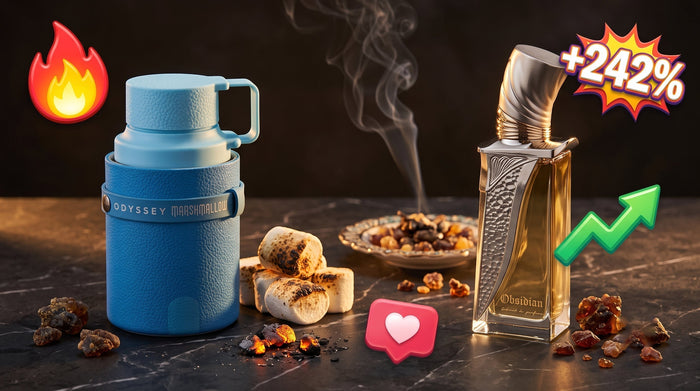
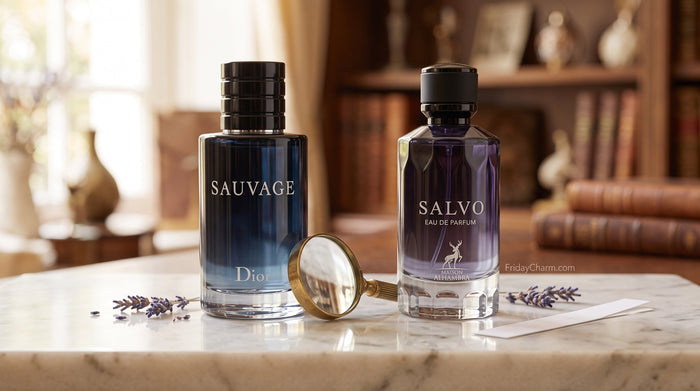
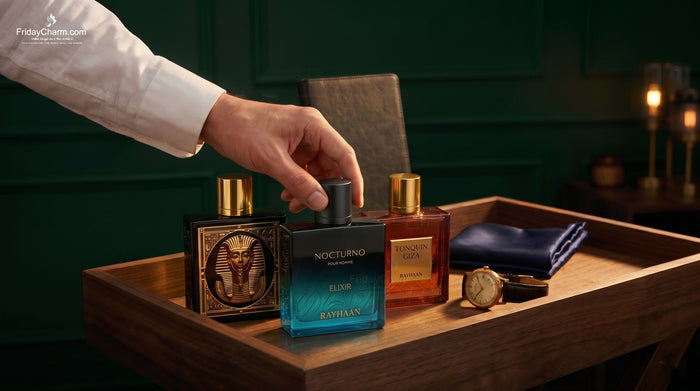
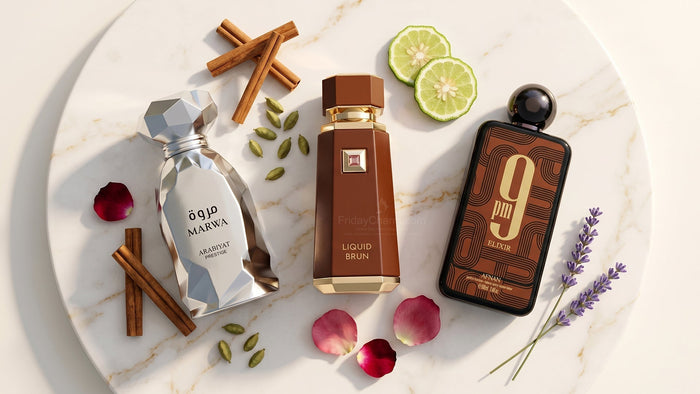
In parallel, many Middle Eastern perfume houses are seizing the opportunity to expand. These brands – some longstanding, others newer “designer dupes” – offer both original creations and scents “inspired by” Western best-sellers. They actively court all tiers of sellers (from local shops to big online retailers), making their products widely available. Social media buzz reflects their rise: Gissah’s Imperial Valley was recently described as “the most hyped fragrance in the Middle East,” with a viral frenzy comparable to the US popularity of Baccarat Rouge 540. In fact, copycat or homage fragrances from the Middle East are popping up constantly – some manufacturers even use advanced analysis to emulate luxury perfumes, then sell much cheaper “dupes” on TikTok and Instagram. Many consumers (especially younger ones) now openly embrace these alternatives. For example, a Mintel analyst notes that seeing affordable “dupe” scents on social media has made them feel “more acceptable” among buyers. In South Asia and the Gulf, this means Middle Eastern brands (with their rich oudh, amber, and amber-musk formulas) are gaining market share by offering novelty and value where Western brands have become restrictive.
Pros and Cons of Middle Eastern Perfumes
-
Pros: Middle Eastern fragrances often use traditional ingredients like oud, amber, saffron, and attar oils. They tend to be very potent and long-lasting (many are perfume oils or high-concentration EDPs), so a small amount goes a long way. These scents are also usually much more affordable than Western luxury perfumes, allowing customers to try bold oriental notes without a huge cost. Importantly, many of these brands actively support independent retailers and influencers – so reviews of their products are generally welcome (no strict NDAs). In summary, they offer rich, exotic options at consumer-friendly prices.
-
Cons: Quality and formulation can vary. Some of the cheapest “clone” or inspired fragrances rely on synthetic ingredients, which critics say can smell less natural or too strong
. Performance (projection and wear) is sometimes inconsistent between batches. Additionally, these perfumes may not appeal to every nose: heavy oudh or amber blends can be polarizing, and Western consumers used to subtler scents might find them overwhelming. Finally, while many are original creations, the “dupe” model raises ethical questions – creators of the original perfumes have little legal recourse under current law – and there’s no official warranty or support for grey-market imports. Buyers should be aware of both the great finds and the potential pitfalls when trying these brands.
Middle Eastern Perfume Brands and Products on FridayCharm
FridayCharm carries dozens of Middle Eastern labels (see our site menu). Notable examples include:
-
Rasasi (Dubai): Offers popular men’s and unisex scents. Best-sellers include Hawas for Him (a fresh-spicy aquatic fragrance), Hawas Ice (a cooler fruity version), Shuhrah (leathery oud), and La Yuqawam (a leathery-oud oud-scent). Rasasi also has floral and sweet lines like Blue Lady and Oud Al Mubakhar.
-
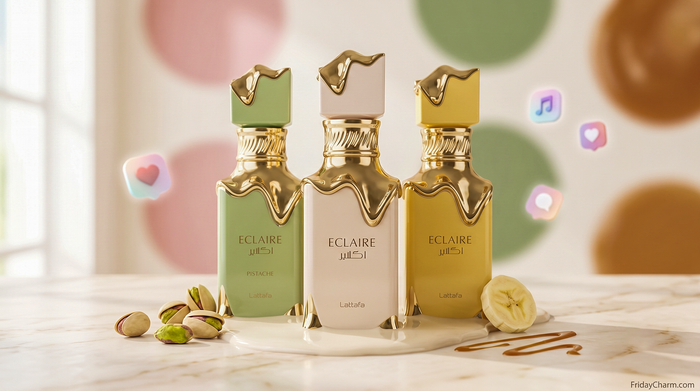
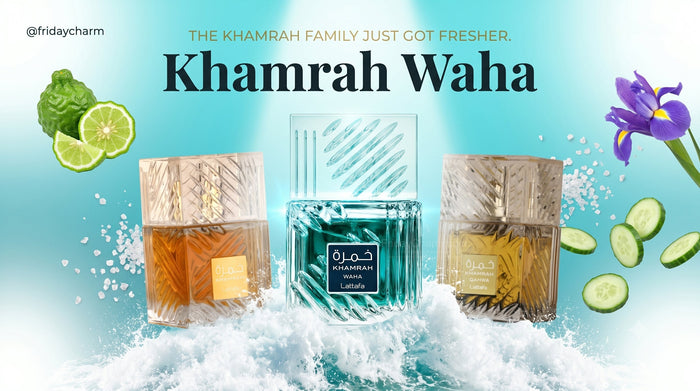
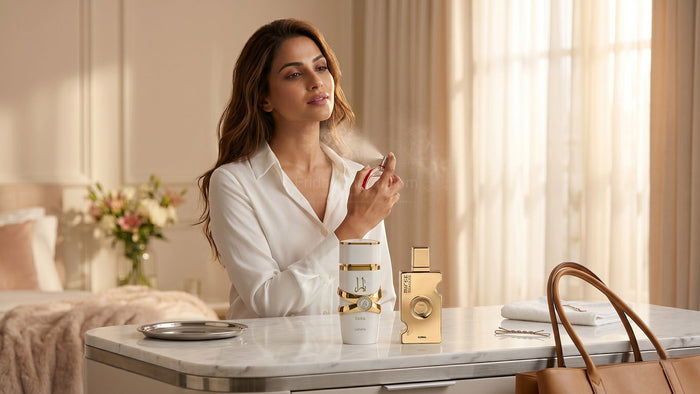
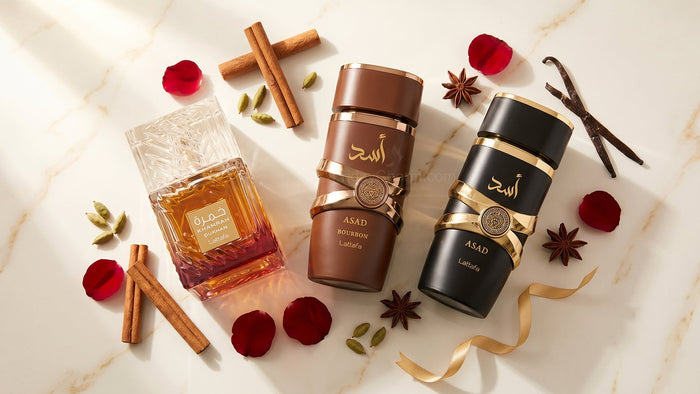
Lattafa (UAE): Known for very affordable yet crowd-pleasing perfumes. Examples are Yara (a creamy tropical vanilla-sugar scent), Bade’e Al Oud (an intense oud blend), and Ramaal 9 (fresh citrus-oud). Lattafa fragrances often mimic or take inspiration from Western hits while being wallet-friendly.
-
Ajmal (Dubai/India): One of the oldest Arabian perfume houses. We stock Ajmal’s Oriental blends and attar oils, like Amber Wood, Amber Musc, and Mukhallat Oudh. These classic oudh-amber perfumes are a staple in traditional Middle Eastern perfumery.
-
Al Haramain (UAE): Offers strong oudh/amber scents and oils. Products include Ashrafi and Musk by Al Haramain, as well as Bloom, L’Aventure (inspired by niche designer fragrances), and pure perfume oils like Khashabiye (woody oud).
-
Swiss Arabian: A prolific UAE-based brand mixing Arabian tradition with modern styles. Our range includes Shaghaf Oud (oud-rose-vanilla), Huroof (musk-oud), and Attar (perfume oils). Swiss Arabian is known for artistic bottles and complex oriental compositions.
-
Khadlaj: Famous for potent perfume oils. We offer Khadlaj Fakhar and Ghawali, among others. These are highly concentrated arabic-style oils (attar) in sleek bottles, popular among enthusiasts who prefer oil-based scents.
Each of the above brands is readily available at FridayCharm in various sizes (from 10ml attar oils to 100ml EDPs) and at price points usually far below comparable Western designer perfumes. We continue to stock original Western fragrance lines as well, but these Middle Eastern offerings are a growing trend – and many customers appreciate that we give equal importance to both worlds.
Conclusion
The global perfume market is clearly in flux. Western luxury brands are doubling down on exclusive channels and legal enforcement (often citing the need to protect artistry), while Middle Eastern perfume houses are rapidly filling the gap by offering accessible, oudh-rich alternatives. Younger consumers especially seem to embrace the bargain and novelty of these fragrances: as one analyst put it, seeing dupes on social media has made them “more acceptable”. At FridayCharm, we support customers who want either side – authentic Western designer scents or these emerging Middle Eastern favorites – with full confidence in authenticity. By carrying both, we provide a safe, legal way to explore the new trend while respecting all brand requirements.









Leave a comment